
A New Chapter in the Dragon Ball Legacy
Dragon Ball Super: Broly marks one of the most exciting entries in the long-running Dragon Ball franchise. Released in 2018 and later dubbed for international audiences, the film reintroduces Broly, a fan-favorite character whose previous appearances in non-canon movies had built a strong cult following. This time, however, Broly’s story is officially integrated into the main Dragon Ball continuity, giving him depth and emotional weight that earlier versions lacked. The movie opens with a prologue that sets the stage, exploring the rivalry between King Vegeta and Broly’s father, Paragus. Exiled to a desolate planet because of his overwhelming potential, Broly grows up in isolation, shaped by his father’s harsh training and desire for revenge. This backstory provides context that makes Broly more than just a one-dimensional powerhouse; he becomes a tragic figure caught between loyalty to his father and his own suppressed humanity.
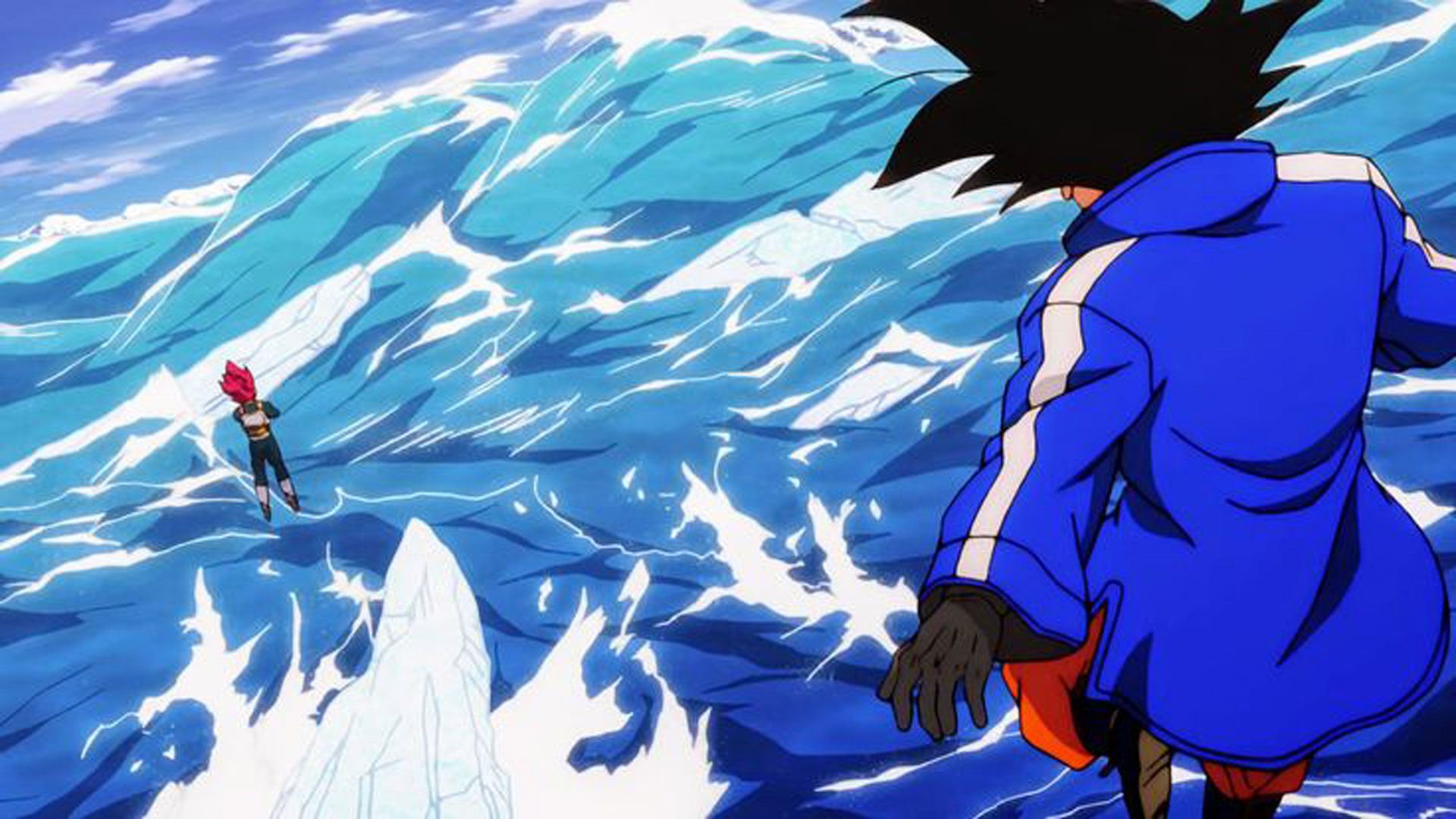
From the moment Goku and Vegeta encounter Broly as adults, the film’s central conflict is set in motion. Unlike many Dragon Ball villains who seek domination or destruction, Broly is manipulated into battle rather than choosing it himself. This distinction makes his role more sympathetic, as viewers recognize that his immense strength is both a gift and a curse. The movie balances fan service—delivering spectacular fights and transformations—with storytelling that humanizes Broly and reframes him as more than just an unstoppable brute. For longtime fans, it’s refreshing to see a classic character reimagined with such care, and for newcomers, it works as a standalone story that doesn’t require deep knowledge of the series.
Voice Performances and Character Dynamics
One of the highlights of the dubbed version of Dragon Ball Super: Broly is the strong voice work from the English cast. Sean Schemmel as Goku once again brings the character’s cheerful optimism and fighting spirit to life. His performance emphasizes Goku’s childlike enthusiasm for battle, which contrasts sharply with the intensity of Broly’s raw power. Christopher Sabat, who voices both Vegeta and Piccolo, gives Vegeta his trademark pride and stubbornness, making his frustration at being outmatched feel both entertaining and authentic. Sabat’s ability to juggle multiple characters without losing their distinctiveness is especially impressive in the dub.
Vic Mignogna, who had voiced Broly in earlier non-canon movies, does not reprise his role here, and instead Johnny Yong Bosch steps in to bring a fresh take on the character. Bosch portrays Broly with a surprising amount of restraint and subtlety, especially in the early parts of the film. His voice captures the innocence and confusion of someone who has never truly experienced friendship or freedom. As Broly’s rage builds during the battles, Bosch shifts seamlessly into explosive, guttural roars that convey both power and pain. This duality makes Broly feel more human, allowing audiences to sympathize with him even as he unleashes devastating attacks.
The supporting cast also adds to the film’s charm. Paragus, voiced by Damon Mills, comes across as cold and manipulative, using Broly as a tool for his own revenge. His interactions with his son highlight the darker theme of parental control and the burden of expectations. On the lighter side, the characters Cheelai and Lemo provide comic relief and humanity, serving as the first people to treat Broly with kindness. Their voices, delivered with warmth and humor, balance the film’s intensity and hint at Broly’s potential for a better future. Overall, the dubbed performances enhance the emotional core of the story and make it accessible to audiences who may not be familiar with the original Japanese version.
Action, Animation, and Impact
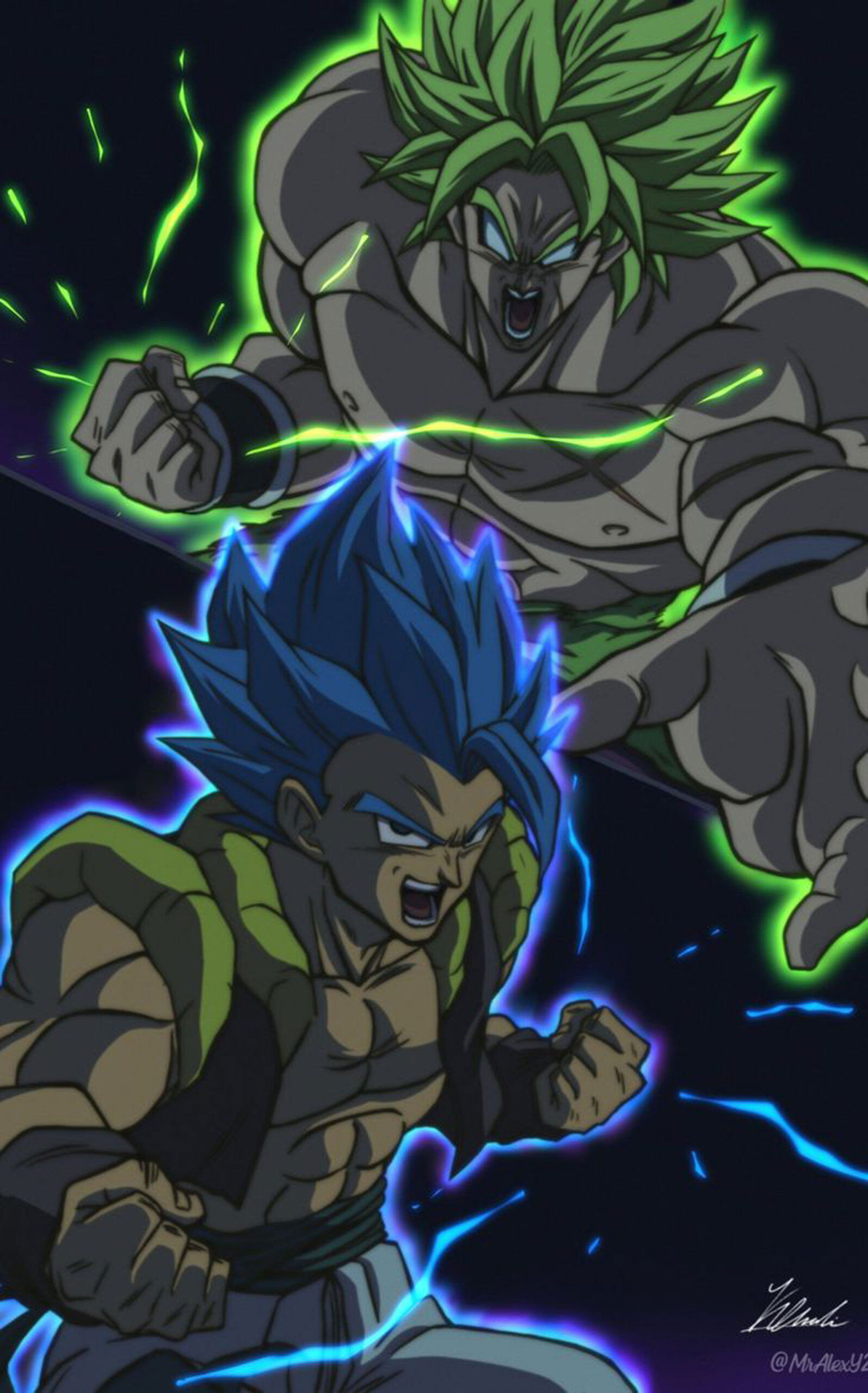
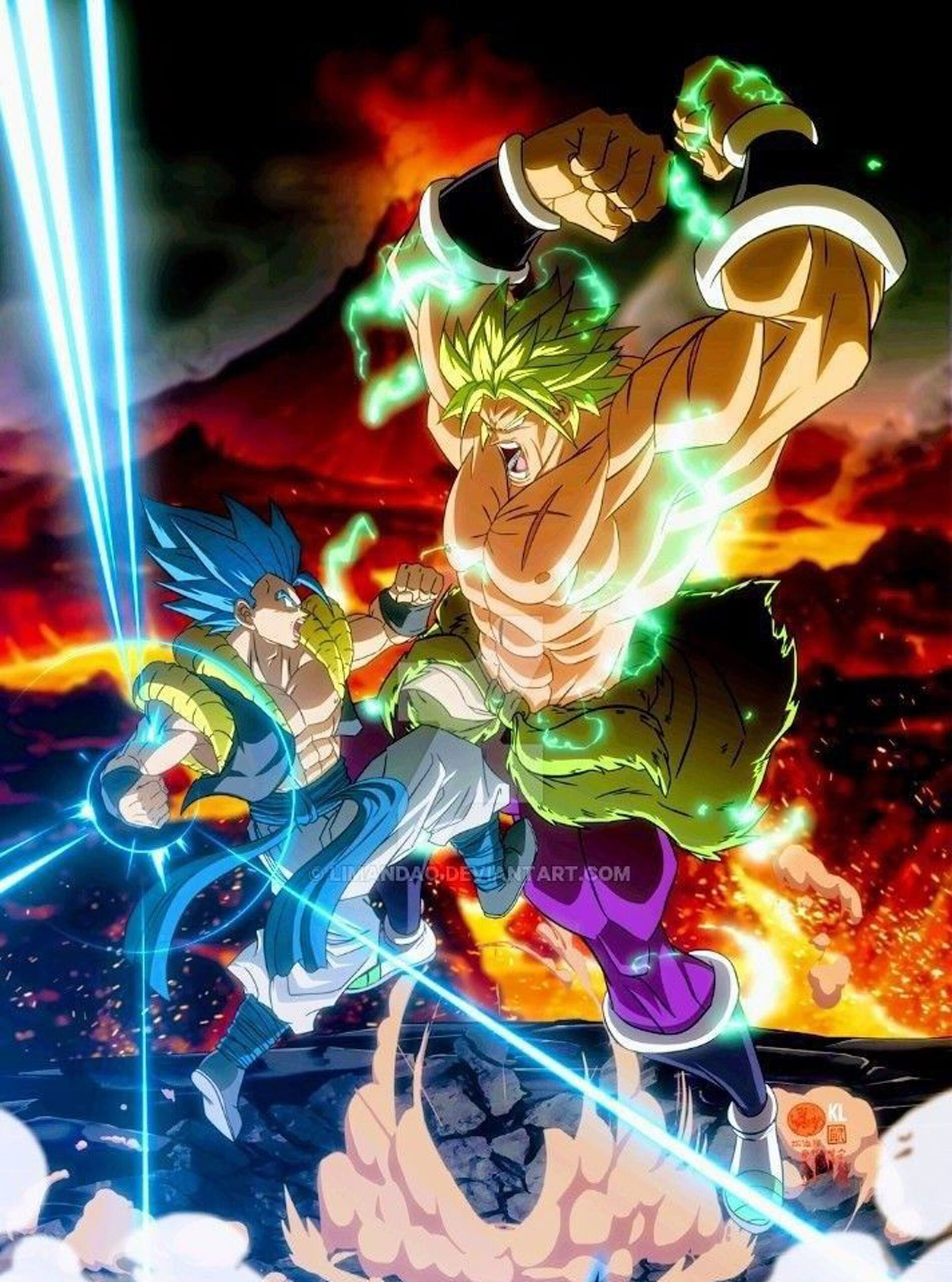
Of course, no Dragon Ball film would be complete without jaw-dropping battles, and Broly delivers some of the most visually spectacular fight sequences in the franchise’s history. The animation style, directed by Naohiro Shintani, departs from the sharper look of Dragon Ball Super and embraces a smoother, more fluid design. This change allows the fights to feel dynamic and cinematic, with characters moving in ways that feel both powerful and natural. The battle between Broly, Goku, and Vegeta escalates in stages, showcasing transformations like Super Saiyan God and Super Saiyan Blue. Each power-up is not only visually exciting but also serves the narrative, as the heroes struggle to match Broly’s seemingly limitless strength.
The dub does an excellent job of capturing the intensity of these battles. The actors’ screams, taunts, and exclamations match the energy of the animation, immersing viewers in the chaos of the fight. The sound design amplifies this effect, with punches, blasts, and explosions carrying real weight. The fusion sequence, where Goku and Vegeta combine to form Gogeta, is a highlight, blending humor with jaw-dropping spectacle. Gogeta’s eventual clash with Broly feels like the culmination of decades of Dragon Ball history, giving fans the kind of showdown they had always dreamed of.
Beyond the action, what makes Dragon Ball Super: Broly impactful is its emotional resolution. Rather than ending in simple destruction, the film closes with Broly being saved from his cycle of violence by Cheelai and Lemo, who wish him a chance at peace. This ending underscores the idea that strength alone does not define a person’s worth, and even those seen as monsters can find redemption if given compassion. It also sets the stage for Broly to return in future stories, not as a villain but as a complex character with potential for growth.
In the end, Dragon Ball Super: Broly succeeds as both a thrilling action movie and a character-driven story. The dubbed performances bring nuance and energy, the animation elevates the battles to new heights, and the reimagining of Broly adds heart to what could have been a simple spectacle. For longtime fans, it’s a love letter to the franchise, and for newcomers, it’s an exhilarating entry point that captures everything people love about Dragon Ball: epic fights, memorable characters, and emotional stakes that go beyond fists and energy blasts.