
A Fresh Horror Experience
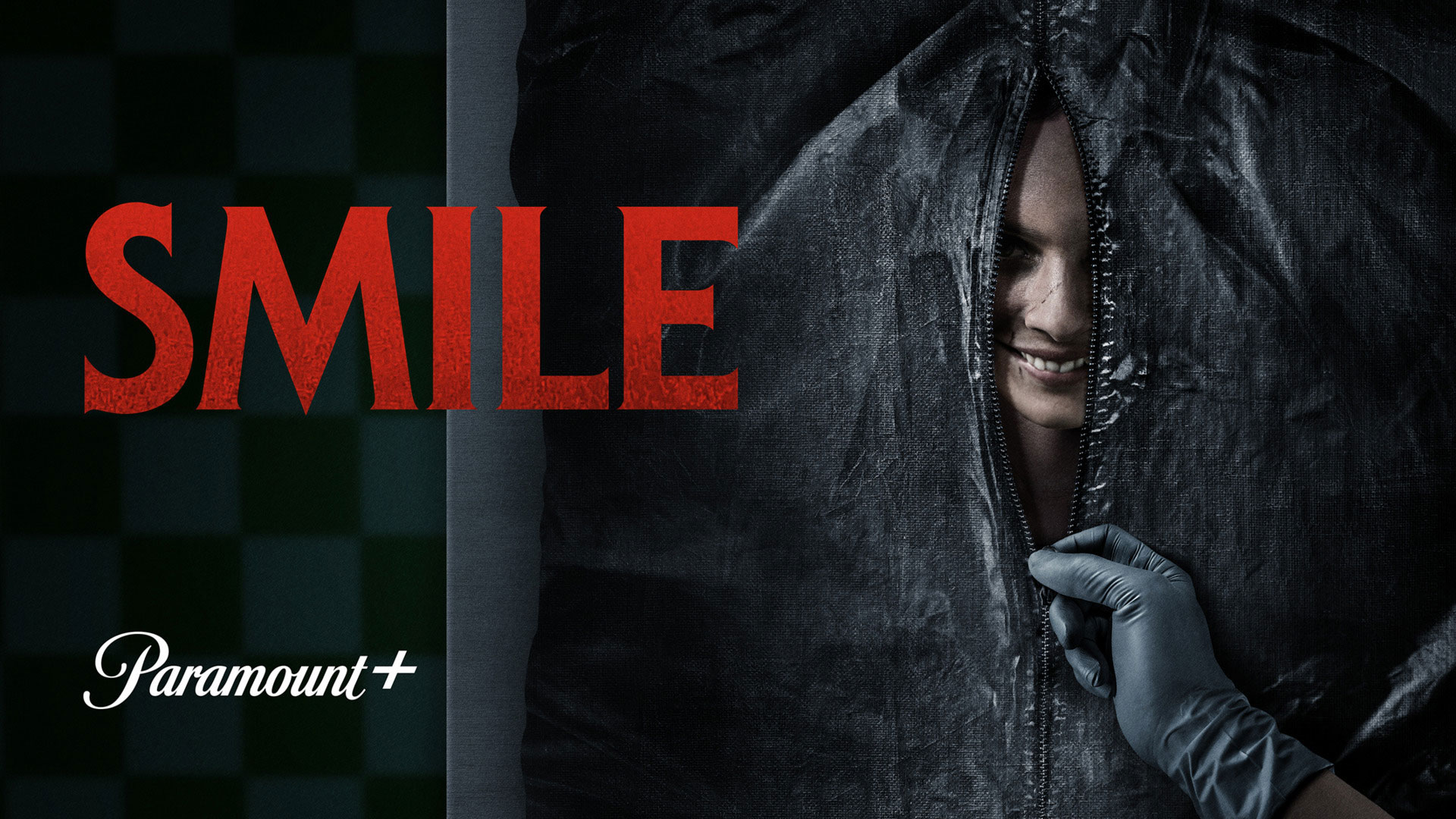
Smile was one of the first horror movies I had seen in quite some time, and watching it in the theater made the experience even more intense. The film immediately hooked me with its unsettling concept and eerie atmosphere, which was unlike most horror movies I had recently come across. The story begins with a therapist attempting to help one of her patients, only to witness a horrific moment: the patient suddenly tears her face apart with a disturbing smile plastered across her face. From there, the movie launches into its central theme—the idea of a terrifying curse that spreads through trauma, moving from one victim to the next in a chain reaction. Each person who becomes cursed begins to see unsettling visions of smiling individuals, and eventually, they are driven to commit suicide in front of someone else, passing along the curse like a horrific infection. This premise sets the tone for a horror movie that is not only frightening but also psychologically engaging, as it forces the characters—and the audience—to confront the idea of inherited trauma and the inability to escape it.


Characters, Atmosphere, and Horror Elements
One of the things I appreciated about Smile was the cast, which included both familiar faces and new ones. Jessie T. Usher, who I already recognized from The Boys as A-Train, made the film feel somewhat grounded since I could connect him to something I had already seen. At the same time, many of the other actors were new to me, which worked well for the movie because it allowed me to focus more on the story rather than simply on the celebrities involved. The main character, Rose Cotter, played by Sosie Bacon, was especially memorable. Her descent from a professional therapist into a paranoid and traumatized individual was convincing and added a layer of depth to the movie. Watching her grapple with both the curse and her own personal demons, especially related to her troubled childhood, gave the story more emotional weight than I expected from a horror film.
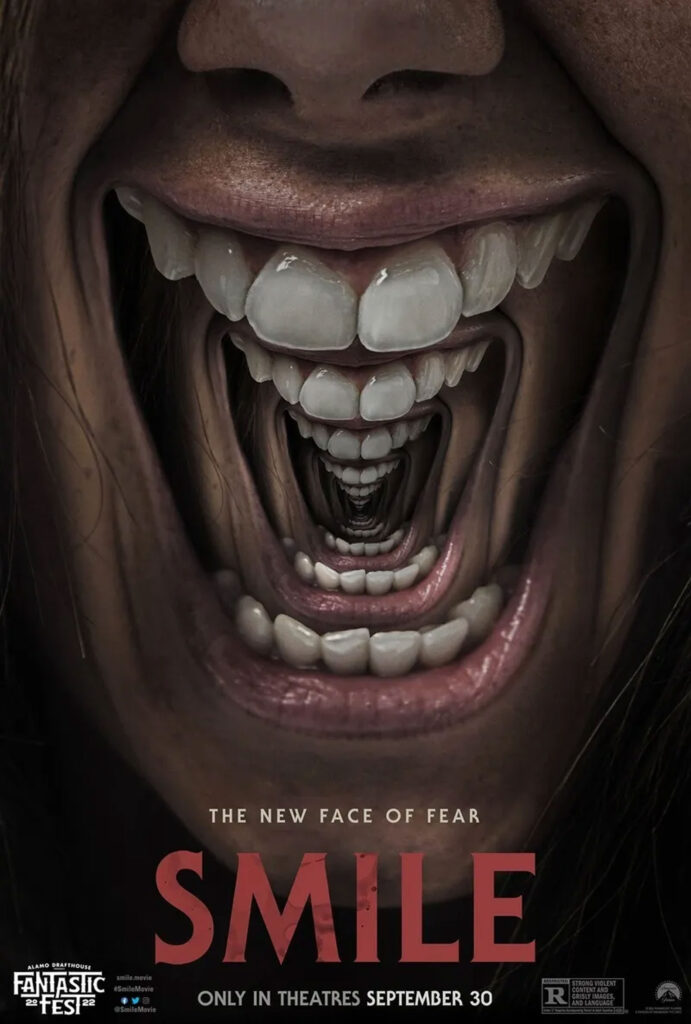
The imagery and atmosphere throughout the movie were some of its strongest aspects. The simple yet disturbing idea of a wide, unnatural smile appearing at unexpected moments proved to be incredibly effective. Even when nothing violent was happening on screen, the act of someone smiling in that strange, unsettling way created an instant sense of unease. These moments stuck with me long after leaving the theater. The film also excelled in its use of tension and pacing—quiet, slow moments would often explode into loud, chaotic scares that left the audience constantly on edge. And while jump scares are often criticized as cheap, in Smile they felt purposeful and were supported by a strong sense of dread that built throughout the movie.
The monster reveal toward the end was particularly memorable and disturbing. Up until that point, the horror had been more psychological and suggestive, but the finale delivered something much more visceral. When the true form of the entity is revealed, its grotesque and monstrous design felt shocking, and the way it eventually enters Rose’s body was both creative and terrifying. It was the kind of horror climax that left me squirming but also impressed by the boldness of the filmmakers. While some horror films stumble at the finish line, Smile leaned fully into its concept and delivered a finale that was equal parts disturbing and memorable.
A Disturbing Yet Memorable Conclusion
As the story built toward its conclusion, Rose realized that in order to overcome the curse, she needed to confront her own past trauma. This led her to return to her abandoned childhood home, a place filled with painful memories. The choice to set the final act in such a personal and haunting location worked perfectly for the story, tying the supernatural horror to her emotional struggles. However, her attempt to destroy the curse ultimately fails, and the climax unfolds in a fiery, tragic sequence. When Rose’s boyfriend attempts to save her, the movie twists expectations, leading to an ending that doesn’t offer the clean resolution many viewers might have hoped for. Instead, it leaves the audience unsettled and thinking about what they just witnessed.
The conclusion also cleverly hints at a sequel, leaving enough unresolved to suggest that the curse is far from over. Even though I haven’t yet watched the sequel, I thought the way the first movie ended was strong—it balanced closure with lingering dread, which is something not many horror movies manage to achieve. Instead of wrapping everything up neatly, it acknowledged that trauma and horror often have lasting effects that cannot simply be erased.
Overall, Smile was a horror film that impressed me on multiple levels. The performances were strong, the central idea of a curse spreading through smiling suicides was both unique and chilling, and the atmosphere kept me on edge throughout the entire runtime. The monster at the end was bizarre, grotesque, and unforgettable, while the imagery of those unsettling smiles will probably stick with me for a long time. What made the film especially enjoyable was how it combined surface-level scares with deeper psychological themes, making it more than just another horror movie. For me, it was not only entertaining but also one of the most memorable horror experiences I’ve had in years.