Growing Pains and New Emotions
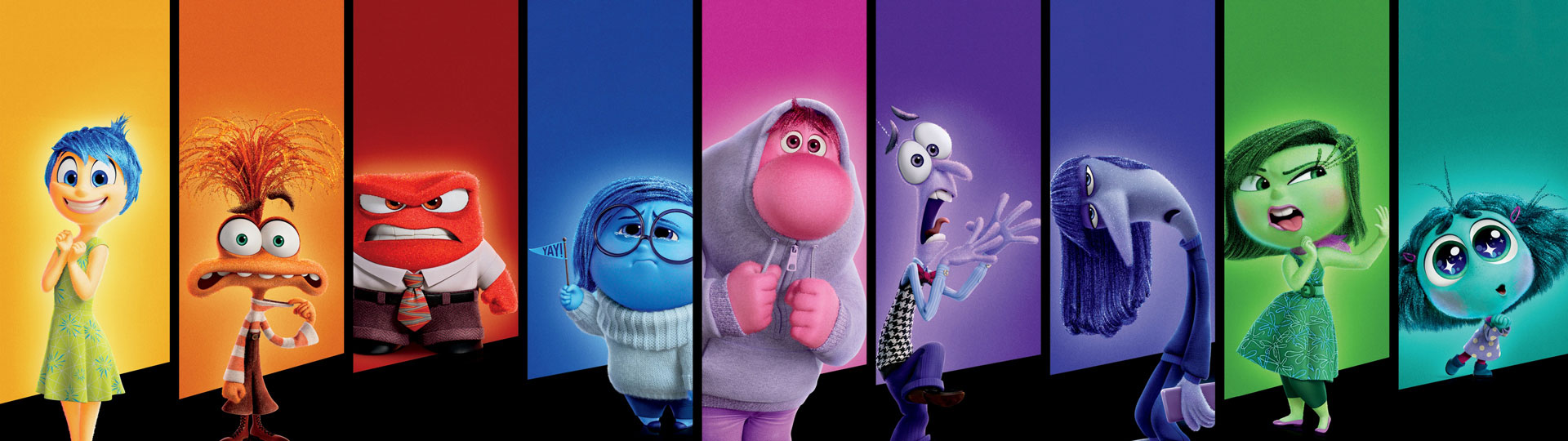
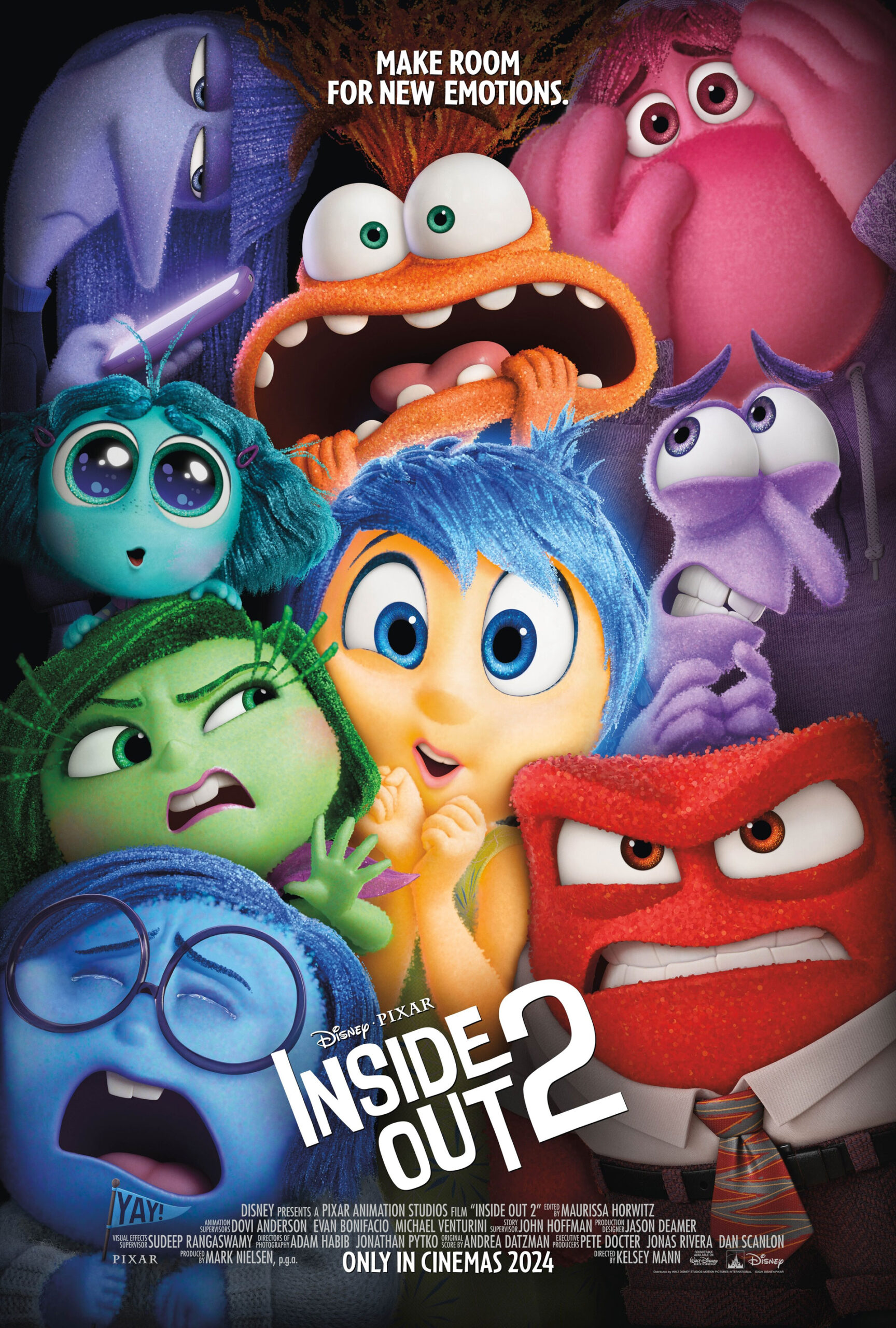
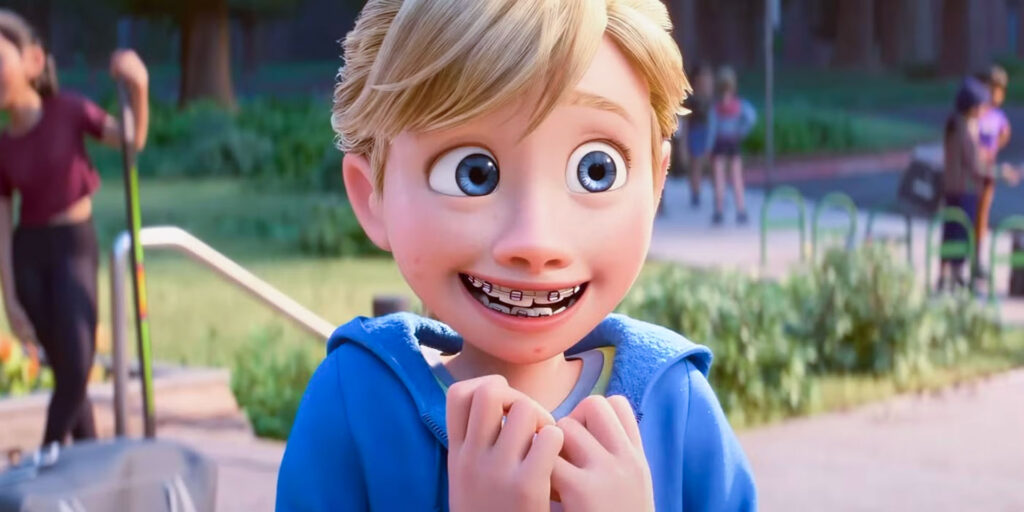
Inside Out 2 continues Pixar’s exploration of the human mind by revisiting Riley, the girl whose emotions were first brought to life in the original film. Now a teenager, Riley faces one of the most universally relatable challenges: growing up. The movie begins by showing her life as relatively stable, with Joy, Sadness, Anger, Fear, and Disgust continuing to guide her through everyday situations. But adolescence brings new complexities, and with them, new emotions. This is where the sequel takes its boldest step, introducing characters like Anxiety, Envy, Embarrassment, and Ennui. These additions expand the emotional cast, highlighting how complicated life becomes as we leave childhood behind.
The premise cleverly mirrors the struggles of adolescence. Riley is caught between childhood innocence and the pressures of teenage identity, and the headquarters of her mind reflects this tension. The arrival of new emotions throws her inner world into chaos, as Anxiety attempts to take control, believing that only she knows how to prepare Riley for the unpredictable future. This shift creates both conflict and humor, as Joy and the original emotions struggle to adapt to being sidelined. The plot captures the turbulence of puberty without oversimplifying it, portraying Riley’s journey with honesty and empathy. Just like the first film, Inside Out 2 balances emotional depth with lighthearted creativity, ensuring that both kids and adults can relate to its message.

Expanding the Emotional Cast
The new emotions are the heart of what makes Inside Out 2 stand apart from its predecessor. Anxiety, voiced with jittery intensity, quickly becomes the driving force of the story. She is not portrayed as a villain in the traditional sense but as an overzealous protector who takes her role too far. This nuance reflects how real anxiety often works—motivated by the desire to keep us safe but overwhelming when left unchecked. Her attempts to control Riley’s life lead to some of the film’s most dramatic and tense moments, but they also spark reflection on the importance of balance.
Envy and embarrassment add humor and relatability, often showing up in moments that feel instantly familiar to anyone who has been through adolescence. Envy captures the teenage longing to be like others, while Embarrassment embodies the self-consciousness that comes with growing up and being noticed. Ennui, a wonderfully deadpan addition, represents teenage boredom and apathy, offering dry humor that adults in the audience will especially appreciate. Together, these new characters complement the original five, making the emotional dynamics richer and more nuanced.
At the same time, the returning characters retain their charm. Joy continues to be the optimistic leader, though she struggles with losing control of Riley’s mind to Anxiety. Sadness, still voiced with quiet sincerity, plays a crucial role in reminding everyone that not all “negative” emotions are bad. Fear, Anger, and Disgust provide comedic timing while also reflecting how those feelings become more complicated in teenage years. The balance between old and new characters gives the sequel both familiarity and freshness, proving that Pixar didn’t just recycle its original idea but meaningfully expanded on it.
A Journey Through Change
Where Inside Out 2 shines brightest is in its emotional resonance. At its core, the movie is about learning to accept complexity within ourselves. The first film focused on the realization that sadness has value alongside joy, but the sequel takes that lesson further, showing that as we grow up, our emotions do not simply multiply—they collide, conflict, and create contradictions within us. Riley’s struggle to navigate friendships, self-identity, and future aspirations mirrors the universal teenage experience of feeling pulled in too many directions at once.
The visual metaphors Pixar uses to represent Riley’s inner world continue to impress. Her mind is depicted with even more detail, filled with imaginative landscapes and clever representations of how thoughts, beliefs, and memories evolve. One particularly powerful sequence explores Riley’s “sense of self,” showing how fragile and changeable identity can be during adolescence. These visuals make abstract concepts like insecurity and growth both accessible to younger audiences and deeply moving for adults who remember those stages of life.
The climax of the film underscores its most important message: no single emotion can define who we are. When Anxiety’s control threatens to overwhelm Riley, the resolution comes not from suppressing her but from integrating her with the others. This moment teaches that even emotions we might see as disruptive or negative have value when balanced with the rest. For Riley, the acceptance of all her emotions—old and new—marks her transition into a more mature understanding of herself. For the audience, it’s a reminder that growth means embracing complexity rather than chasing perfection.
In the end, Inside Out 2 succeeds as both a sequel and a standalone film. It delivers humor, heart, and visually inventive storytelling, all while addressing the messy realities of growing up. The addition of new emotions keeps the concept fresh, and the emotional stakes resonate with anyone who has faced the uncertainties of adolescence. While the first film will always be remembered for its originality, this sequel proves that the concept has depth enough to grow alongside its characters. It’s not just about Riley’s journey into adolescence but about the universal process of learning to live with all parts of ourselves.